DePass Academic Consulting

DePass Academic Consulting

Program evaluation, professional development, grant writing, and grant-writing training for faculty and staff, informed by experience as a scientist, educator, administrator, principal investigator, and reviewer.

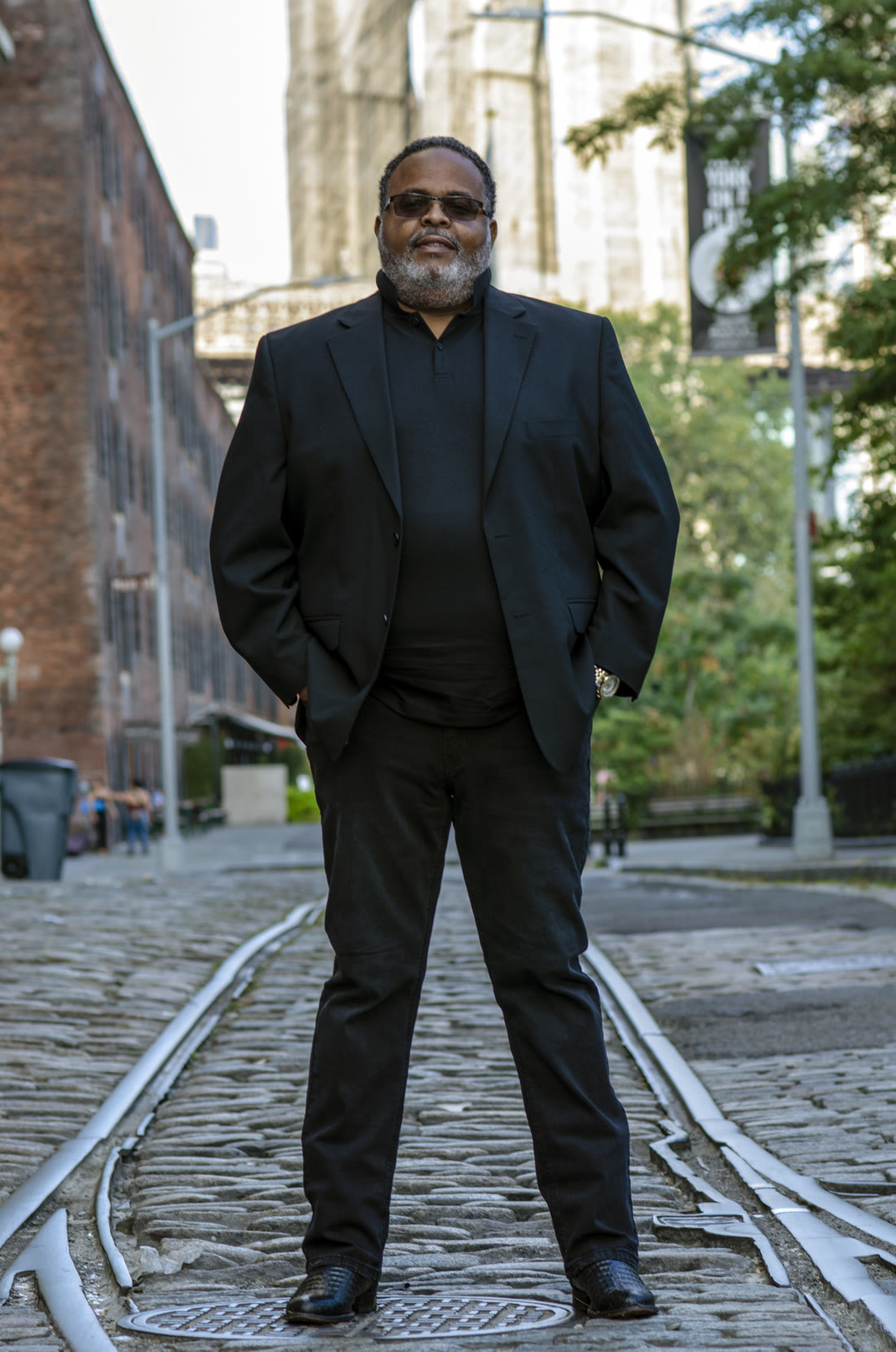
Anthony DePass standing outdoors on a cobbled street
Anthony DePass · professional photo collection.

President since 2000

A perspective that connects
design, evidence, and practice.

DePass Academic Consulting provides professional development, grant-writing services, and grant-writing training for faculty and staff. The practice also supports academic institutions and other organizations with program development, institutional development, and evaluation.

Its experience spans community colleges, liberal arts institutions, comprehensive and research-intensive universities, and professional organizations. DePass’s academic and national STEM workforce work provides context for asking how a program is experienced, how it is implemented, and what its results can establish.

Areas of practice

Evaluation & assessment

Make evidence useful to the next decision.

Program evaluation needs to establish what a program is trying to change and what observations would credibly support that claim. DePass Academic Consulting combines evaluation methods with experience in program development, administration, and agency review. The work can help institutions interpret outcomes in context, identify implementation challenges, and use findings to improve their approach.

Program design & institutional development

Connect the need, the approach, and the intended outcome.

Strong program design brings the purpose of an intervention into focus. Who is being served? What barriers are being addressed? How will the activities produce the desired change? The consulting practice supports institutions as they develop educational and research-training programs, think through administration, and connect evaluation to the program’s underlying goals.

Grantsmanship & proposal development

Turn a worthwhile idea into a coherent proposal.

Grant writing draws on institutional knowledge, clear objectives, an appropriate funding mechanism, and an understanding of review. DePass Academic Consulting works collaboratively with institutions on writing and developing proposals. Its grant-writing training helps faculty and staff identify funding opportunities, understand review expectations, and turn their ideas into clear, coherent proposals.

Professional development

Build the capacity to keep doing the work.

Workshops and professional development create space for faculty, staff, and academic leaders to strengthen their approach to research, program development, and funding. The emphasis is on work participants can use: defining goals, understanding review expectations, developing a proposal’s structure, and connecting an idea to a workable plan.

The art of grantsmanship

Learning through
the proposal itself.

The established workshop sequence moves from preparation to a core proposal document, then into the narrative and program plan. The format is interactive and grounded in participants’ own ideas.

1

Before you write

Funding mechanisms, review systems, strategic planning, and measurable objectives.

2

Proposal Summary /
Goals & Objectives

Define the context, purpose, and structure of the proposed project.

3

The narrative

Translate the project’s core argument into background and significance.

4

The program plan

Connect the intended outcomes to activities, implementation, and assessment.

See the established workshop framework ↗

Institutional experience

Across the STEM
development pathway.

DePass’s work has included leadership and evaluation associated with NIH research training and NSF initiatives such as ADVANCE, LSAMP, S-STEM, HBCU-UP, IUSE, and Noyce.

His university leadership included research administration at Long Island University; his national work includes Understanding Interventions and the American Society for Cell Biology’s T36 MARC program.

Verified career chronology →

Start with the institutional question

What decision does your
evidence need to support?

An inquiry is most useful when it includes the program’s purpose, the population served, the stage of development, and the decision or deadline ahead.

Talk about the work ↗